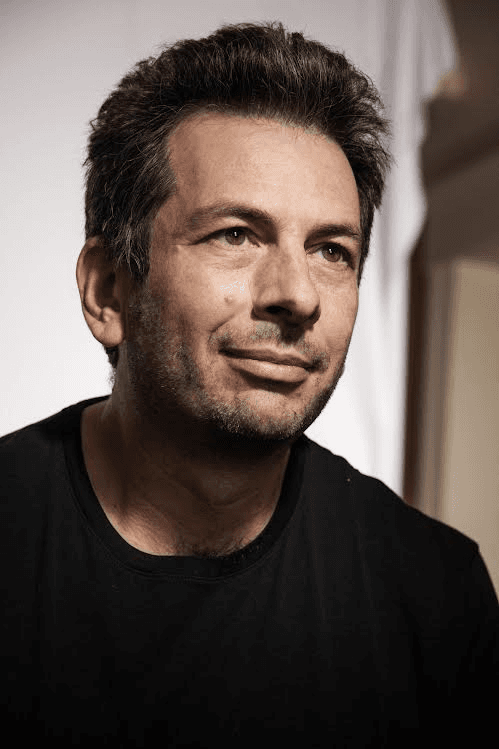
I. Inaugural Summit
Blaise Agüera y Arcas
Session 1A
Research meeting series · Artificial Collective Intelligence
A continuing research and workshop series on shared cognitive infrastructure for human agency, dignity, and accountable AI.
SF Tech Week · October 8, 2026 · 4–7 PM Pacific
The series convenes researchers, builders, and institutional partners for deep discussion and working workshops on Artificial Collective Intelligence: systems through which humans, agents, and institutions can reason, coordinate, preserve provenance, respect consent, surface disagreement, and learn together.
Next gathering · III. San Francisco Salon · SF Tech Week
Diverse superintelligence. Distributed agency. Human intelligence augmentation.
October 8 speakers
Joscha Bach · Ben Goertzel · Hikari Sorensen · Reza Farivar-Mohseni · Divya Chander · Joel Lehman · Jeremy Barton · Shuo Chen · Deantoni Parks
View the program & moderators →Featured voices
The series brings together AI researchers, cognitive scientists, security thinkers, designers, founders, institutional builders, and organizers working across the ACI agenda.
I. Inaugural Summit
Session 1A
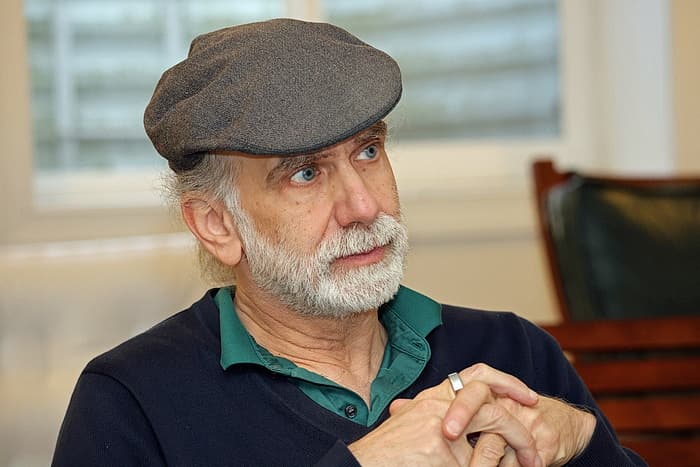
I. Inaugural Summit
Harvard
Session 2A
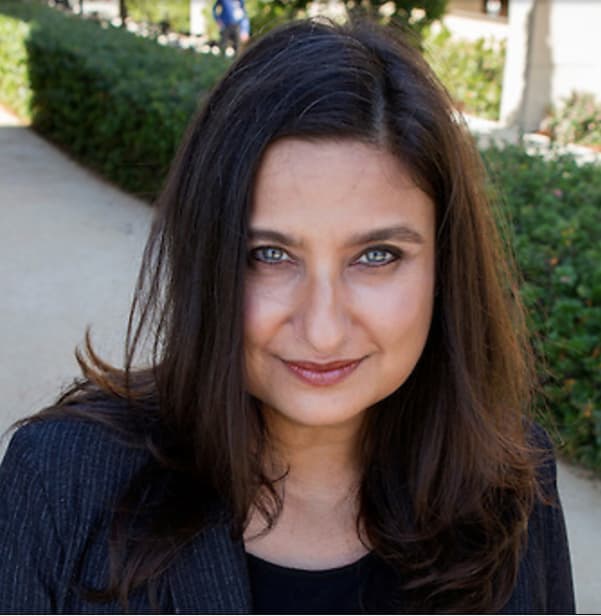
I. Inaugural Summit / III. San Francisco Salon
Singularity University / Lucidify / Cognisee PBC
Session 2B / Speaker
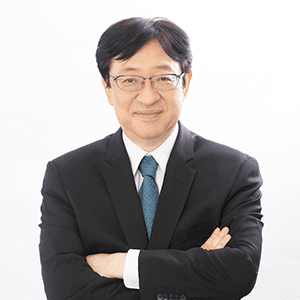
I. Inaugural Summit
Sony CSL / Sony Group
Session 3A
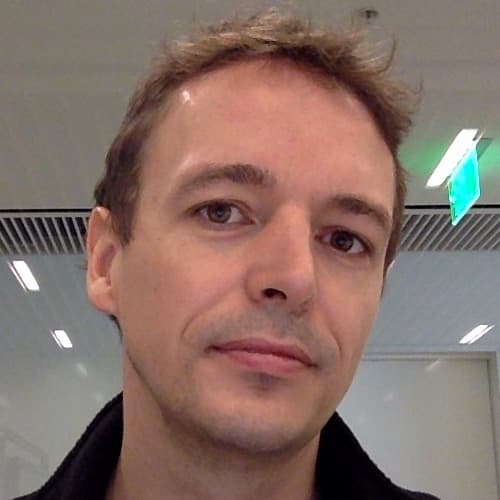
I. Inaugural Summit / III. San Francisco Salon
California Institute for Machine Consciousness (CIMC)
Sessions 2B / 3B / Fireside speaker & panelist
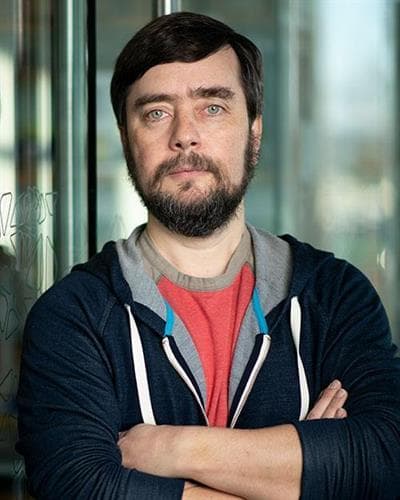
I. Inaugural Summit
Tufts University
Session 2B
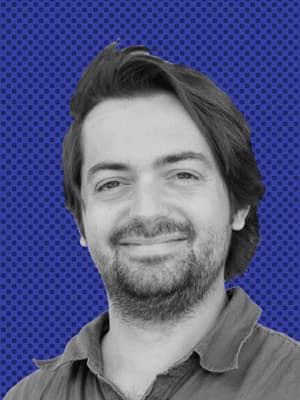
I. Inaugural Summit
Inria
Session 1A

I. Inaugural Summit / II. Continuation Salon
Advanced AI Society
MC / Organizer / MC
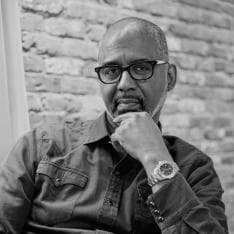
II. Continuation Salon
Latimer.ai
Fireside chat speaker
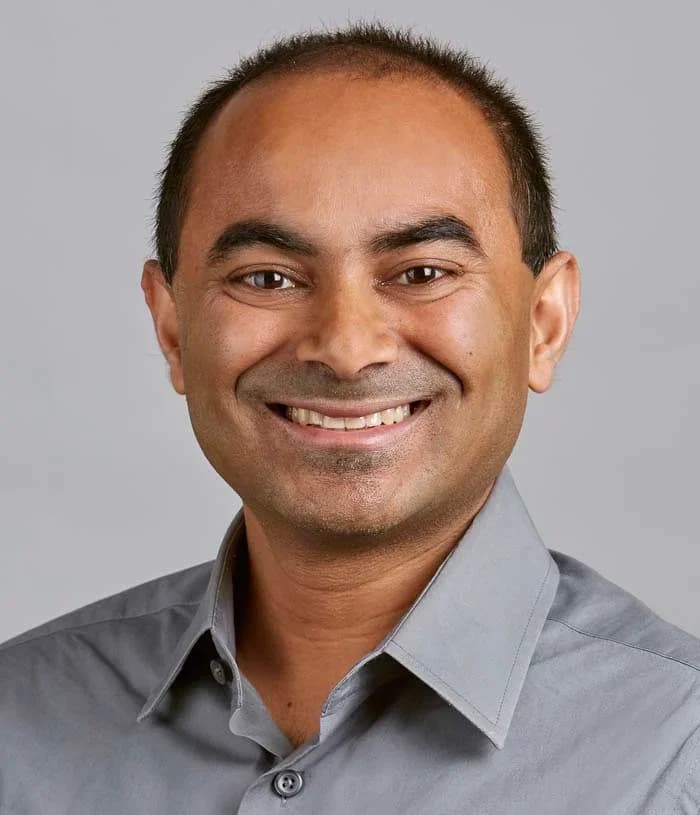
I. Inaugural Summit / II. Continuation Salon / III. San Francisco Salon
Cognisee PBC
Organizer / Host & moderator
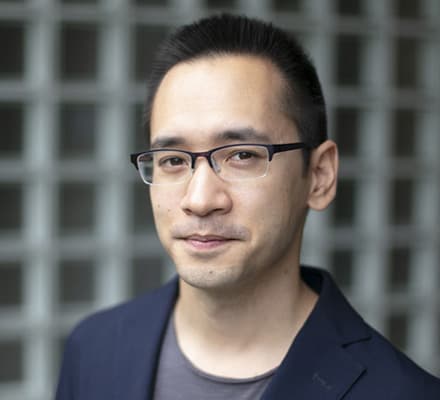
I. Inaugural Summit / II. Continuation Salon
Cross Labs / Cognisee PBC
Organizer

I. Inaugural Summit / II. Continuation Salon
Harvard / Cognisee PBC
Organizer / Speaker
Meetings
The first summit opened the ACI conversation. The continuation salon has now concluded, moving the work toward a shared agenda, publishable synthesis, benchmarks, collaborations, and follow-up working workshops.
I. Inaugural Summit
ConcludedMay 18–19, 2026 · Harvard + California Institute for Machine Consciousness · Cambridge, MA
The first event established the core ACI frame: governed collective intelligence, tacit expertise, provenance, consent, revocability, and accountable human-AI institutions. The full recording is now available in the archive.
Watch recordingII. Continuation Salon
ClosedMay 26, 2026 · Harvard University · Cambridge, MA
The second event continued the summit conversation as a focused working session on definitions, tools, benchmarks, pilot collaborations, and a joint paper. Follow-up workshop information, video, and selected materials will be published soon.
View archiveIII. San Francisco Salon
UpcomingOctober 8, 2026 · 4:00–7:00 PM PDT · San Francisco
The conversation continues in San Francisco with an intimate, dialogue-based salon on diverse superintelligence, distributed agency, and human intelligence augmentation. Hosted by Cognisee PBC.
Explore event & applyFull recording
The full May 18-19, 2026 inaugural Superintelligence for Humanity event is now available here and in the archive.
People
A living roster across the Superintelligence for Humanity research meeting series, including the inaugural summit and the completed Boston Tech Week continuation salon.
The roster also includes speakers and moderators for the October 8 San Francisco salon. Each person’s event labels identify their participation across the series.
I. Inaugural Summit / II. Continuation Salon / III. San Francisco Salon
Cognisee PBC
Organizer / Host & moderator
Profile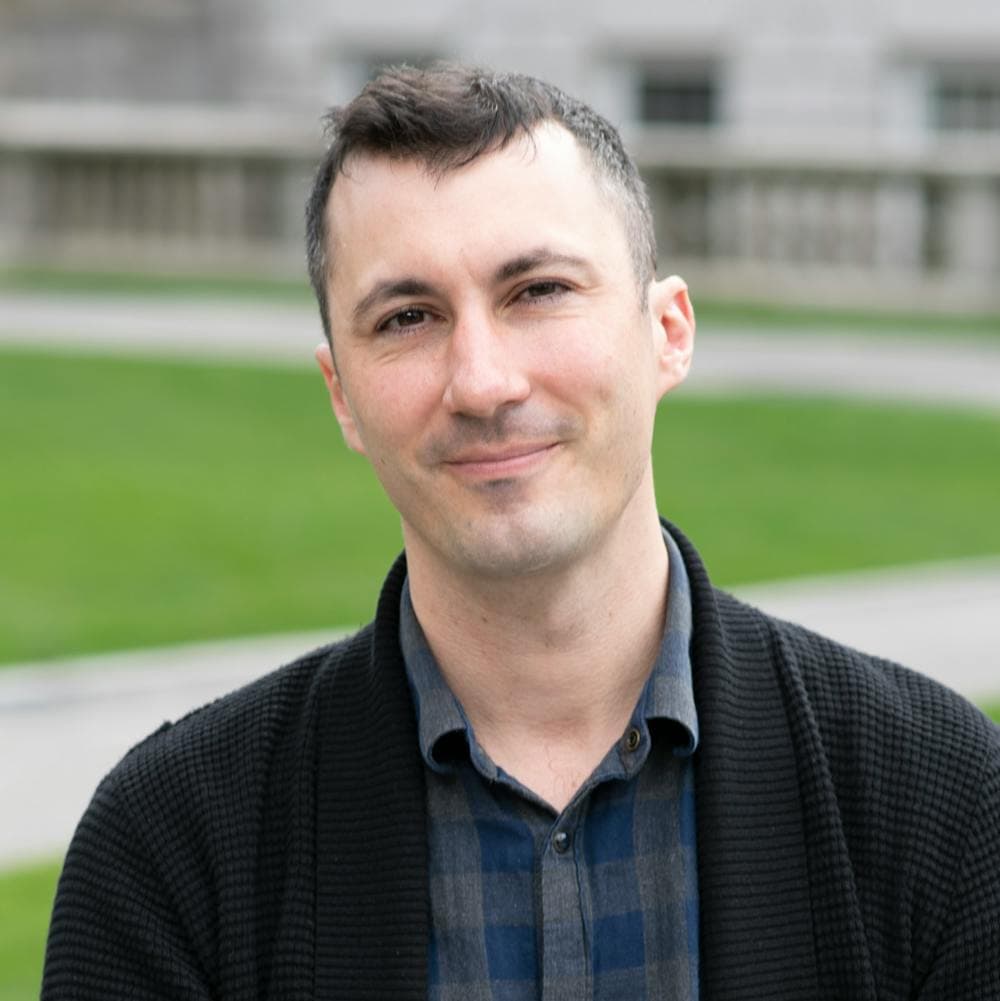
I. Inaugural Summit / III. San Francisco Salon
Singularity University / Lucidify / Cognisee PBC
Session 2B / Speaker
Profile
I. Inaugural Summit / III. San Francisco Salon
California Institute for Machine Consciousness (CIMC)
Sessions 2B / 3B / Fireside speaker & panelist
Profile

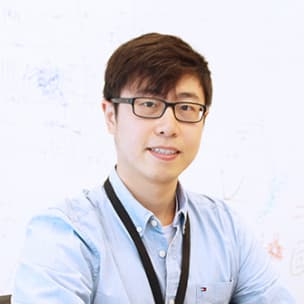
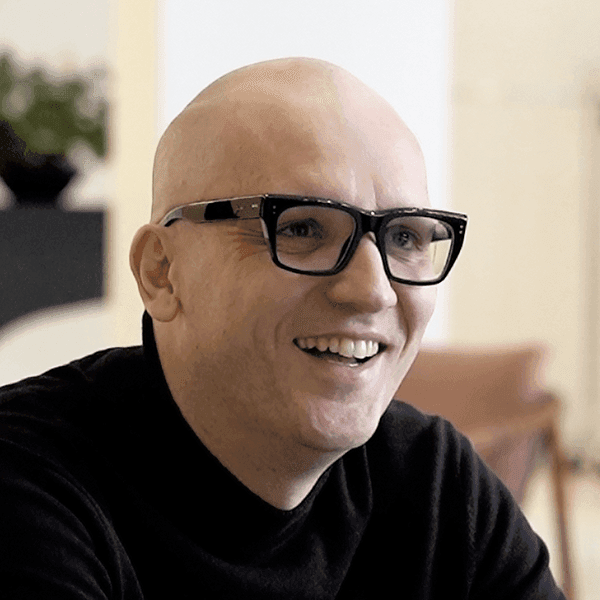
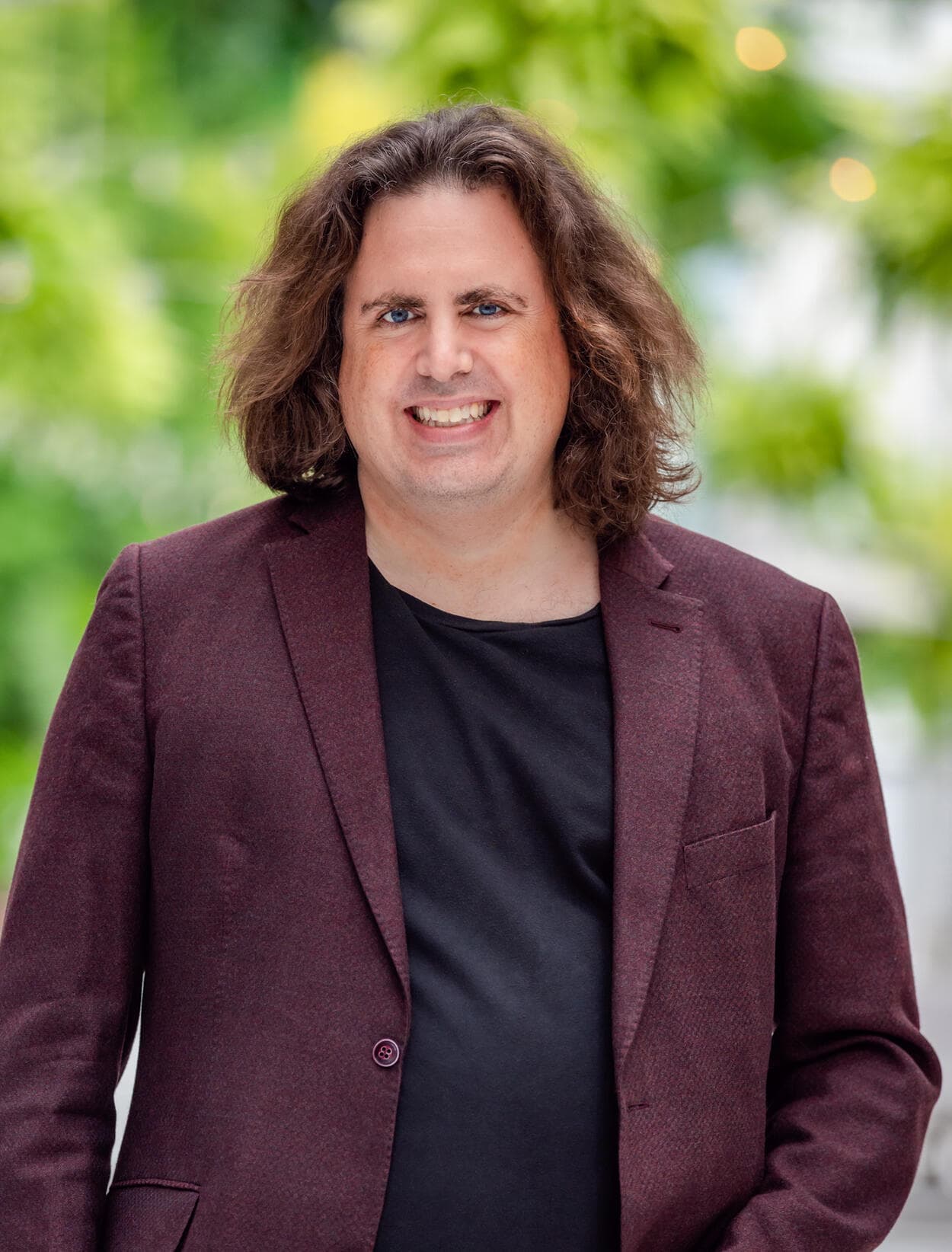
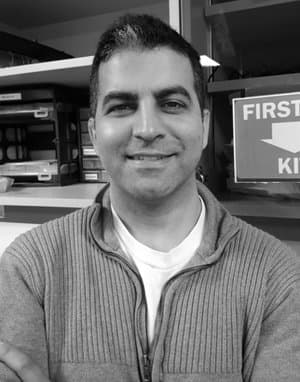
I. Inaugural Summit / III. San Francisco Salon
McGill University
Session 1B / Panelist
Profile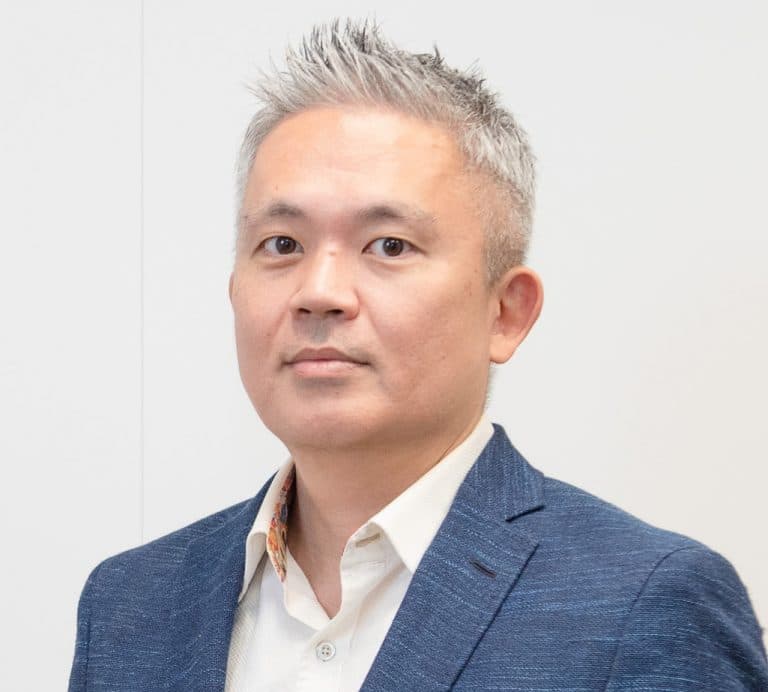

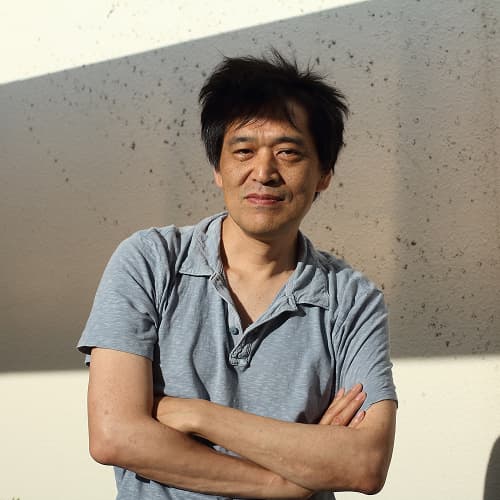
I. Inaugural Summit / II. Continuation Salon
Advanced AI Society
MC / Organizer / MC
ProfileI. Inaugural Summit / II. Continuation Salon
Harvard / Cognisee PBC
Organizer / Speaker
Profile

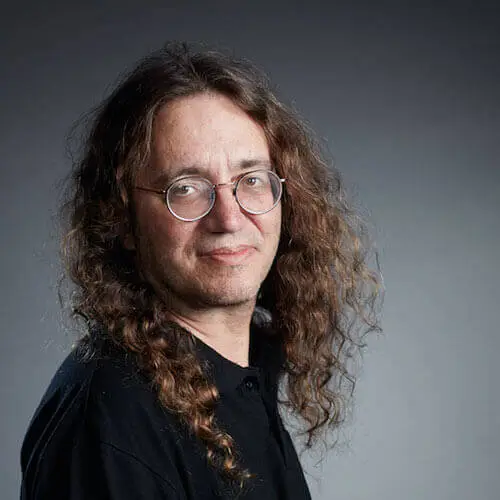
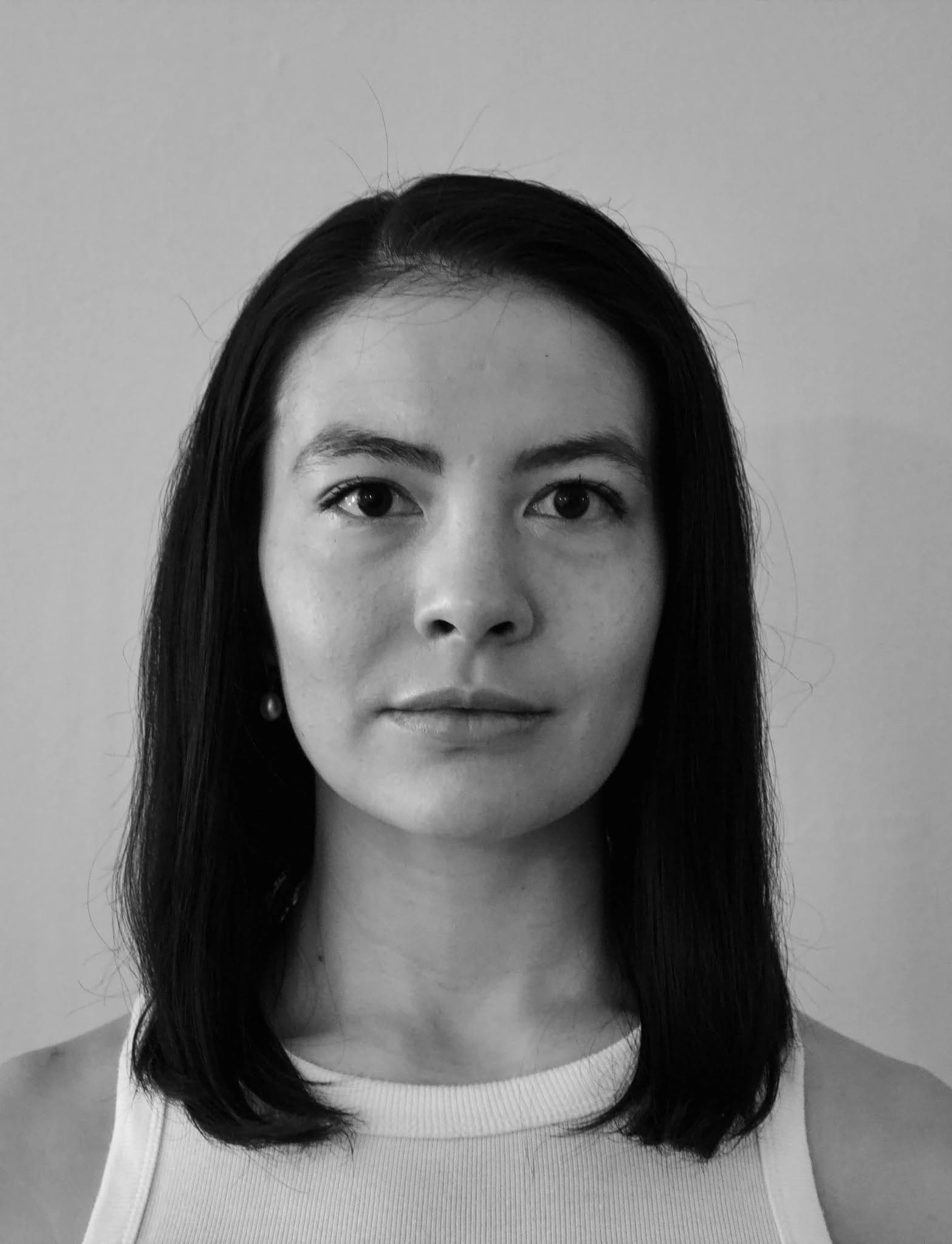
III. San Francisco Salon
California Institute for Machine Consciousness (CIMC)
Panelist
Profile

Research frame
ACI is treated here as infrastructure: not a slogan for more capable models, but a design program for accountable coordination across people, machines, and institutions.
Common context, memory, and coordination protocols that allow humans, agents, and institutions to reason together under accountable rules.
Technical and institutional primitives for capturing situated judgment while preserving authorship, context, consent, revocability, and auditability.
ACI must preserve calibrated dissent, uncertainty, local epistemic authority, and diversity of heuristics instead of collapsing every view into one opaque answer.
Focused experiments that test coordination, agency, trust, institutional learning, and cross-domain intelligence transfer rather than model scale alone.
Scientific frame
The series approaches ACI as a technical and institutional research problem. The challenge is to build systems that can aggregate knowledge without erasing diversity, coordinate action without suppressing dissent, and compound memory without losing consent or context.
The series frames ACI as a socio-technical system in which humans, models, tools, memories, incentives, governance, and communication channels jointly shape collective behavior.
Provenance, consent, revocation, audit trails, access rights, and local authority are treated as design requirements, not policy annotations added after deployment.
Useful collectives must allocate finite attention, compute, trust, and experimentation under uncertainty, while remaining robust to faults, correlated errors, and adversarial behavior.
Recent work on agentic AI, reasoning models, and societies of thought motivates a serious examination of how structured diversity, debate, and coordination can improve machine and human reasoning.
Science editorialFollow-up
The next phase of Superintelligence for Humanity will move from event recap to research production: sustained conversations and working workshops that prepare the technical, governance, and institutional foundations for ACI.
01
Invite focused exchange among researchers, builders, institutional partners, and civic leaders on the core assumptions, constraints, and failure modes of ACI.
02
Convert the discussion into artifacts: definitions, architecture diagrams, governance protocols, benchmark designs, and concrete pilot proposals.
03
Prepare for ACI as shared cognitive infrastructure that protects human agency while enabling plural, accountable human-AI collectives to learn and act.
Work in progress
The meetings are designed to leave behind a usable research trail: public arguments, practical evaluation targets, workshop artifacts, and collaborations that can be tested.
01
A joint paper on Artificial Collective Intelligence and shared cognitive infrastructure.
02
A concise ACI roadmap with definitions, open problems, and evaluation milestones.
03
A follow-up workshop program for deep technical discussion, pilot design, and publishable research synthesis.
04
A working network for future salons, workshops, pilots, and publications.
Continue the research series
Follow-up working workshops will develop the ACI agenda into definitions, benchmarks, governance protocols, and pilot collaborations.